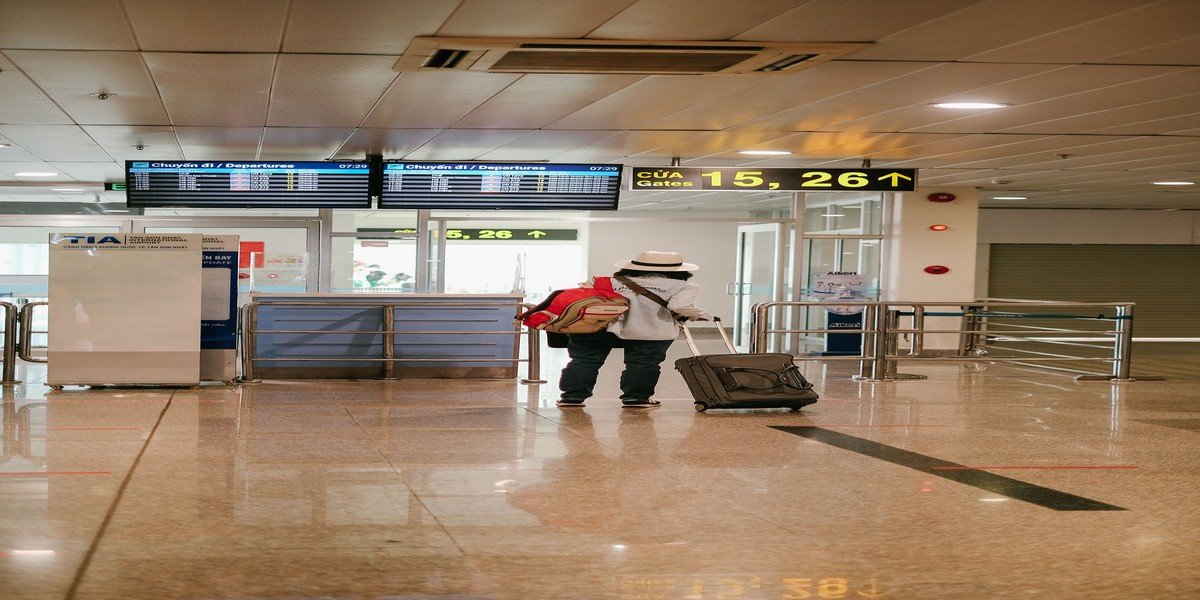
Why Solo Female Business Travel Demands a Different Playbook
Business travel as a solo woman is not just about booking flights and packing a carry-on. It is about navigating unfamiliar cities, walking into conference rooms where you know no one, and returning to hotel rooms in neighborhoods you have never seen before. Summer 2026 brings a surge in post-pandemic business travel, and more women are traveling alone for work than ever before. Women now represent nearly half of all business travelers, yet most safety guides still treat every traveler the same.
This guide is written specifically for women who travel alone for work. From choosing hotel floors to managing unwanted attention in professional settings, we cover practical strategies that keep you safe without limiting your career. The goal is not to make you fearful—it is to make you prepared, confident, and in control. Whether you are heading to London for a finance meeting or joining a tower-london-tour during a free afternoon, the principles remain the same.
Hotel Safety: Your Room Is Your Sanctuary
Your hotel room is your base of operations and your place of rest. Treat its security as non-negotiable. Start with the booking phase: choose hotels in well-lit, business-oriented districts rather than remote or entertainment-heavy areas. When checking in, request a room between the 2nd and 6th floors. The first floor is vulnerable to street-level access, and rooms above the 6th floor may be difficult for fire services to reach.
Ask for a room near the elevator bank but not directly adjacent to it. Avoid rooms at the end of long corridors or near emergency exits, as these can be isolated and less monitored.
Once inside, perform a quick security sweep:
- Check that all windows lock securely and curtains provide full coverage.
- Verify the peephole is not blocked or reversed.
- Test the deadbolt and the door chain. Use both every time you are inside.
- Never open the door without verifying the identity of the person outside, even if they claim to be hotel staff. Call the front desk to confirm.
Store valuables in the in-room safe, but keep your passport, phone, and emergency cash on your person or in a locked carry-on when you leave. Always leave the "Do Not Disturb" sign on your door when you step out, as it signals occupancy to anyone observing.
Dressing Smart: Professional Without Drawing Unwanted Attention
What you wear as a solo female business traveler sends signals about your professionalism and your situational awareness. The goal is to project confidence and competence without making yourself a target. In Summer 2026, many business destinations will be warm, which adds complexity to packing.
Research local norms before you pack. In conservative cities like Dubai, Riyadh, or parts of Southeast Asia, covering shoulders and knees is not just respectful—it is a safety measure. In Western Europe or North America, business attire is more flexible, but blending in with local dress codes helps you avoid standing out as a tourist.
Choose a capsule wardrobe of versatile pieces in neutral, dark colors. Dark colors hide wrinkles, do not show dirt, and draw less attention than bright patterns. Prioritize:
- Tailored blazers in breathable fabrics like linen or lightweight wool blends.
- Closed-toe shoes comfortable for walking but polished enough for meetings. Avoid high heels unless necessary—they limit your mobility.
- A crossbody bag with a zipper closure and an RFID-blocking compartment. Keep it in front of you in crowded areas.
- A light scarf or pashmina—it doubles as a wrap for air-conditioned rooms, a head covering for religious sites, and a modesty layer when needed.
Avoid excessive jewelry, expensive watches, or visible designer logos. These do not enhance your professional image—they make you a target. In Tokyo, conservative dress is expected even in summer, and it helps you blend in whether you are heading to a meeting or taking a tokyo-temple-tour on your day off.
Transportation Safety: Getting Around Without Compromising Security
Transportation is where solo female travelers are most vulnerable. You are in a confined space, often with a stranger, navigating unfamiliar routes. The key is to eliminate unpredictability as much as possible.
Pre-book rides whenever you can. Use reputable ride-hailing apps like Uber, Lyft, or local equivalents (Grab in Southeast Asia, Careem in the Middle East, Didi in China) rather than hailing street taxis. These apps provide driver details, route tracking, and a digital record of your trip. Before getting in, verify the license plate, driver photo, and name match what is shown in the app. Ask the driver to confirm your name before you confirm theirs—this prevents "fake driver" scams.
If you must take a street taxi, use official taxi ranks at airports and hotels rather than accepting rides from drivers who approach you. Sit in the back seat, behind the passenger seat. Keep your phone in your hand with GPS tracking active, and share your live location with a trusted contact.
For public transport:
- Avoid empty train cars or buses, especially at night. Choose cars with other passengers or near the conductor.
- On subways, stand near the center of the platform, away from the edge.
- Keep your bag closed and in front of you. Pickpockets target distracted travelers at ticket machines and turnstiles.
- If someone sits uncomfortably close, change seats or cars at the next stop. Trust your instincts.
When walking, use well-lit, busy streets even if they are slightly longer. Avoid shortcuts through alleys or parks. Walk with purpose—head up, phone away, eyes scanning your surroundings. In New York, a new-york-empire-tour during daylight hours is a safer way to see the city than wandering alone at night.
Digital Safety: Protecting Your Data on the Road
Business travelers carry more valuable data than cash. Your laptop, phone, and accounts contain confidential company information and client data. In Summer 2026, cyber threats targeting travelers are more sophisticated than ever, and public Wi-Fi networks remain a primary attack vector.
Never use public Wi-Fi without a VPN. Airport lounges, hotel lobbies, and coffee shops offer convenient connectivity, but these networks are rarely secure. A man-in-the-middle attack on an unsecured network can expose your emails, passwords, and company files within minutes. Install a reputable VPN on all your devices and set it to connect automatically.
Enable two-factor authentication (2FA) on every account that supports it—email, cloud storage, banking, travel apps, and social media. Use an authenticator app rather than SMS-based 2FA, as SIM swapping attacks are increasingly common.
Before you leave:
- Back up your devices to the cloud and an external drive.
- Turn off Bluetooth and AirDrop when not in use. These can be exploited to push malicious files or track your location.
- Use a password manager with unique, complex passwords for every account.
- Enable "Find My Device" on your phone, laptop, and tablet. If a device is stolen, you can track, lock, or wipe it remotely.
Physical device security matters too. Never leave your laptop or phone unattended in hotel lobbies or conference rooms. Keep your phone in a front pocket or zipped bag, not a back pocket or on a restaurant table. An Apple AirTag hidden in your luggage gives you real-time tracking if bags go missing.
Building Confidence: The Mindset of a Prepared Traveler
Confidence is not about being fearless—it is about being prepared. The most effective solo female travelers are not necessarily the most experienced; they are the most intentional. They have systems, backups, and the mental readiness to act decisively if something goes wrong.
Start with information gathering. Before arriving in a new city, research:
- The safest neighborhoods for business travelers.
- Local emergency numbers (not all countries use 911).
- The location of your country's embassy or consulate.
- Cultural norms around gender, eye contact, and personal space.
Share your itinerary with at least one trusted contact. Include flight details, hotel addresses, meeting locations, and expected check-in times. Schedule a brief "safety check-in" text or call at the end of each day.
Trust your instincts without apology. If a situation feels wrong—an overly friendly stranger, a driver taking an unexpected route, a hotel room with a broken lock—act on it immediately. Your safety is more important than someone else's comfort. Leave, change routes, ask for help, or make a scene if necessary. Women are often socialized to be accommodating, but solo travel requires you to prioritize your own security above social norms.
Finally, practice situational awareness. Notice who is around you, what they are doing, and whether anything seems out of place. Avoid getting absorbed in your phone in public spaces. The more aware you are, the less likely you are to be targeted.
Social & Networking Safety: Professional Boundaries on the Road
Business travel often involves networking events, client dinners, and after-hours socializing. As a solo female traveler, these situations require clear boundaries and proactive safety planning.
Before accepting any invitation, verify the details. Who else will be there? Where exactly is it? Will you need to travel alone at night to get back? If a client invites you to a one-on-one dinner at a remote location, suggest a well-known restaurant in the business district instead. There is nothing unprofessional about prioritizing your safety.
At networking events:
- Watch your drink at all times. If you set it down, do not pick it up again.
- Set a firm end time for yourself and stick to it. "I have an early meeting tomorrow" is a perfectly acceptable exit line.
- Arrange your return transport in advance. Do not rely on someone else to "call you a ride" or offer you a lift.
- Keep your phone charged and your hotel address saved in the local language.
If you feel pressure to drink more than you are comfortable with, decline politely but firmly. Order sparkling water in a wine glass if you want to blend in without consuming alcohol.
Be cautious about how much personal information you share. Colleagues and clients do not need to know that you are traveling alone, which floor your room is on, or your detailed itinerary. Keep conversations professional and redirect personal questions gracefully. Social engineering is a real threat, and information you share casually can be used against you.
Essential Gear, Emergency Prep & Safe Exploration
Even the most prepared traveler can encounter emergencies. The difference between a manageable incident and a dangerous crisis is often the presence of a plan.
Create a digital and physical emergency kit. In your phone, save local emergency numbers, your hotel's front desk, your company's travel assistance hotline, and your insurance policy details. In your carry-on, keep a small physical card with these numbers printed. If your phone dies or is stolen, you are not stranded.
Know the "three exits" rule. Wherever you are—hotel, conference center, restaurant, or airport—identify three ways to leave the building. In an emergency, most people head for the door they entered through. Having alternatives already mapped in your mind saves critical seconds.
If you are harassed, followed, or feel threatened:
- Enter a public, well-lit space immediately. Hotels, restaurants, and police stations are safe havens.
- Make noise. Draw attention. Predators rely on silence and compliance.
- Call your hotel. Most business hotels have security staff who will assist you.
- Contact your embassy. They can replace stolen passports and connect you with local resources.
- Document everything. Take photos and note times and locations.
Carry a small amount of emergency cash in a separate location from your wallet—hidden in a shoe or a hidden pocket. If your wallet is stolen, you still have enough for a taxi or a phone call.
The right gear also makes travel safer. An Apple AirTag hidden in your luggage provides real-time tracking. An FYY Passport Holder keeps your documents organized and RFID-protected. An Anker PowerCore ensures your phone never dies when you need maps or emergency calls.
Finally, explore safely. Group tours are an excellent way to see a new city without navigating alone. In London, a tower-london-tour offers a structured, safe way to experience history. In Tokyo, a tokyo-temple-tour provides cultural immersion with the security of a group. In New York, a new-york-empire-tour lets you see iconic sights with a guide. Tours reduce the risks of getting lost, entering unsafe areas, or drawing attention as a solo tourist.
Subscribe to our newsletter for more Summer 2026 travel tips.
Frequently Asked Questions
Is it safe for a woman to travel alone for business in 2026?
Yes, solo female business travel is generally safe with proper preparation. The key is awareness, planning, and trusting your instincts. Most business destinations are well-equipped for solo travelers, and hotels, airports, and transport systems have improved safety measures significantly. This guide provides the specific strategies that help you minimize risk while maximizing confidence.
What is the safest floor to stay on in a hotel as a solo female traveler?
The 2nd to 6th floors are considered optimal. The first floor is vulnerable to street-level break-ins, and rooms above the 6th floor may be harder for fire services to reach quickly. Always request a room near the elevator but not directly adjacent to it, and avoid isolated end-of-corridor rooms. Use the deadbolt and door chain every time you are inside.
How can I protect my digital data while using hotel Wi-Fi?
Always use a reputable VPN when connecting to hotel, airport, or public Wi-Fi. Enable two-factor authentication on all accounts, use a password manager with unique passwords, and keep your devices Bluetooth and AirDrop disabled when not in use. Never access sensitive company accounts or banking without a VPN, and avoid public computers for anything requiring a password.
What should I do if I feel unsafe during a business dinner or networking event?
Trust your instincts and leave immediately. Arrange your own transport back to the hotel in advance—do not accept rides from others. Enter a public, well-lit space if you feel followed. Make noise to draw attention if necessary. Keep your phone charged and your hotel address saved. There is nothing unprofessional about prioritizing your safety; a simple "I have an early meeting tomorrow" is a graceful exit line.
Travel Essentials We Recommend
As an Amazon Associate, we earn from qualifying purchases at no extra cost to you.

Apple AirTag 4-Pack
Track your luggage, backpack, and carry-on with precision. Find My network helps locate lost bags anywhere in the world. Essential for frequent flyers.

TOPBAG RFID Blocking Passport Holder
Holds multiple passports, cards, boarding passes, and cash with RFID blocking. Perfect for families or solo travelers who need everything secure.

Anker PowerCore 10000 Portable Charger
Ultra-compact 10,000mAh power bank. Charge your phone 2-3 times — a lifesaver during long layovers when airport outlets are taken.
Ready to Book Your Stay?
Compare Multiple airport hotel rates and book top-rated tours & transfers.
Or read our curated Multiple airport hotel guide