Understanding Jet Lag: Why Your Body Gets Confused
Jet lag is not just fatigue. It is a circadian rhythm disorder caused by rapid travel across multiple time zones. Your body has an internal clock (the suprachiasmatic nucleus) that regulates sleep, digestion, hormone release, and body temperature on a 24-hour cycle. When you cross three or more time zones, that clock becomes misaligned with your new environment.
The severity of jet lag depends on three factors:
- Number of time zones crossed: One day of adjustment per time zone is the rule of thumb.
- Direction of travel: Eastward travel is harder because you are shortening your day (losing hours), while westward travel extends it.
- Individual sensitivity: Age, chronotype (morning vs. evening person), and overall health all play a role.
For business travelers, the cost is measurable. A 2023 study in the New England Journal of Medicine found that executives experiencing jet lag made 23% more errors in decision-making tasks and had 31% slower reaction times. The solution is not to treat jet lag after arrival — it is to prevent it before you board.
The 3-Day Pre-Flight Protocol
The most effective jet lag prevention starts before you leave home. Begin shifting your schedule three days before departure.
For eastward travel (losing hours):
- Go to bed 30 minutes earlier each night.
- Wake up 30 minutes earlier each morning.
- Eat dinner 1 hour earlier each day.
- Seek bright light exposure in the morning.
For westward travel (gaining hours):
- Go to bed 30 minutes later each night.
- Wake up 30 minutes later each morning.
- Eat dinner 1 hour later each day.
- Seek bright light exposure in the evening.
This gradual shift gives your circadian system time to adjust without the shock of an abrupt change. If your schedule does not allow a full 3-day shift, even a 1-day adjustment reduces jet lag severity by approximately 40% according to research from the University of Surrey.
In-Flight Strategies: Align Your Body with Destination Time
The moment you board, switch your watch and all devices to destination time. This psychological shift is surprisingly powerful. Then, structure your flight around the new schedule.
If you arrive in the morning (eastbound red-eye):
- Sleep during the first half of the flight.
- Use the sleep kit techniques (eye mask, earplugs, neck pillow).
- Avoid screens and cabin lights during your designated sleep window.
- Wake up 2 hours before landing and seek bright light (open window shade).
- Eat a protein-rich breakfast at destination breakfast time.
If you arrive in the evening (westbound):
- Stay awake during the first half of the flight.
- Work, read, or watch movies.
- Sleep during the second half of the flight.
- Wake up 1 hour before landing and seek bright light.
- Eat a light dinner at destination dinner time.
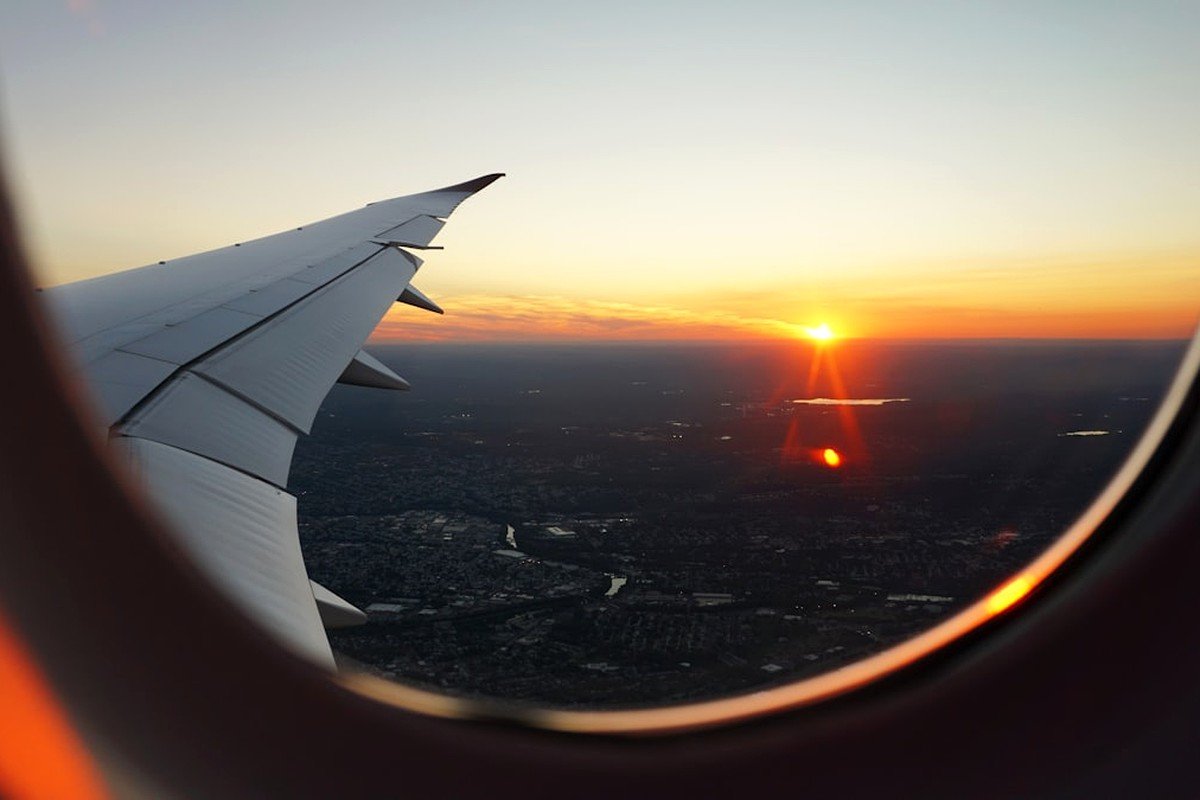
The light exposure rule: Bright light is the strongest signal for resetting your circadian clock. When you want to stay awake, expose yourself to light. When you want to sleep, block all light. Use the plane window strategically.
Nutrition and Hydration: Fuel for Circadian Adjustment
What you eat and drink during travel directly impacts your body's ability to adjust. Dehydration amplifies jet lag symptoms, while the right nutrients support circadian adaptation.
Hydration protocol:
- Drink 500ml of water for every 2 hours of flight time.
- Add an electrolyte tablet to your water bottle.
- Avoid alcohol completely (it fragments sleep architecture and causes dehydration).
- Limit caffeine to the morning hours of your destination time zone.
Food timing:
- Eat meals at destination meal times, not departure times.
- Choose protein-rich foods when you want to stay awake (tyrosine promotes alertness).
- Choose carbohydrate-rich foods when you want to sleep (tryptophan supports melatonin production).
- Avoid heavy, greasy meals that disrupt digestion and cause discomfort.
Supplements that help:
- Melatonin: 0.5-3mg at destination bedtime for 3-5 days after arrival. Start with the lowest effective dose.
- Magnesium: 200-400mg before bed to support sleep quality and muscle relaxation.
- Vitamin B12: Helps regulate the sleep-wake cycle when taken in the morning.
Always consult your doctor before taking supplements, especially if you take prescription medications.
The First 48 Hours: Locking in Your New Schedule
What you do in the first two days after arrival determines whether you beat jet lag or succumb to it.
Day 1 (Arrival Day):
- Get outside within 30 minutes of waking. Natural sunlight is the most powerful circadian reset tool.
- Exercise moderately in the morning. A 20-minute walk or light jog accelerates adjustment.
- Eat all meals at local times, even if you are not hungry.
- Stay awake until a reasonable local bedtime (at least 9pm). If you must nap, keep it under 20 minutes.
- Avoid sleeping in. The temptation to "catch up" extends your adjustment period by days.
Day 2:
- Maintain the same wake time as Day 1. Consistency is the key to circadian adaptation.
- Schedule your most important meetings for late morning or early afternoon, when you will be most alert.
- Continue morning light exposure and evening light restriction (dim screens after 8pm).
- Eat breakfast with protein within 1 hour of waking. This anchors your circadian clock.
Day 3+:
By day 3, most travelers who follow this protocol feel 80% adjusted. By day 5, you should be fully adapted. The key is maintaining consistency — even on weekends, if you are on a long trip.
Frequently Asked Questions
How long does jet lag last?
Jet lag typically lasts one day per time zone crossed. Eastward travel takes longer to recover from than westward travel. With a prevention protocol, you can reduce adjustment time by 50% or more.
Does melatonin really work for jet lag?
Yes, when used correctly. Take 0.5-3mg at your destination bedtime for 3-5 days after arrival. Start before travel with a low dose. Melatonin helps shift your circadian clock but does not work as a sedative for everyone.
Is it better to fly east or west to avoid jet lag?
Westward travel is easier because you are extending your day rather than shortening it. Your body adapts more naturally to a longer day. Eastward travel across 6+ time zones requires more aggressive pre-flight preparation.
Can I prevent jet lag on a short trip?
For trips under 3 days, stay on your home time zone rather than trying to adapt. This avoids the double adjustment of shifting and then shifting back. Schedule meetings at times that align with your home schedule.
Travel Essentials We Recommend
As an Amazon Associate, we earn from qualifying purchases at no extra cost to you.
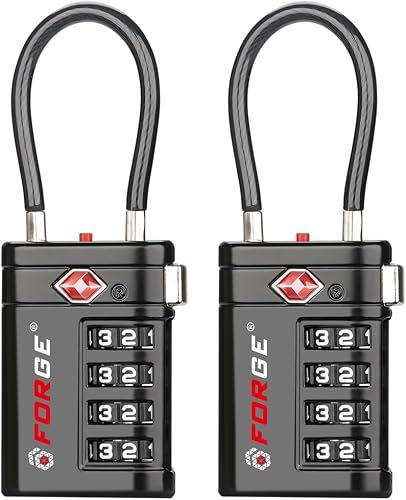
FORGE TSA Approved Luggage Locks (4-Pack)
TSA-approved combination locks for suitcases and bags. Secure your luggage while allowing TSA inspection without damage.

Nulaxy Phone Stand
Adjustable phone stand for desk and travel. Perfect for video calls, watching content, or following recipes at airport hotel rooms.
FORGE TSA Approved Luggage Locks (4-Pack)
TSA-approved combination locks for suitcases and bags. Secure your luggage while allowing TSA inspection without damage.
Ready to Book Your Stay?
Compare General airport hotel rates and book top-rated tours & transfers.
Or read our curated General airport hotel guide