Why Food Tours Are the Ultimate Business Travel Activity
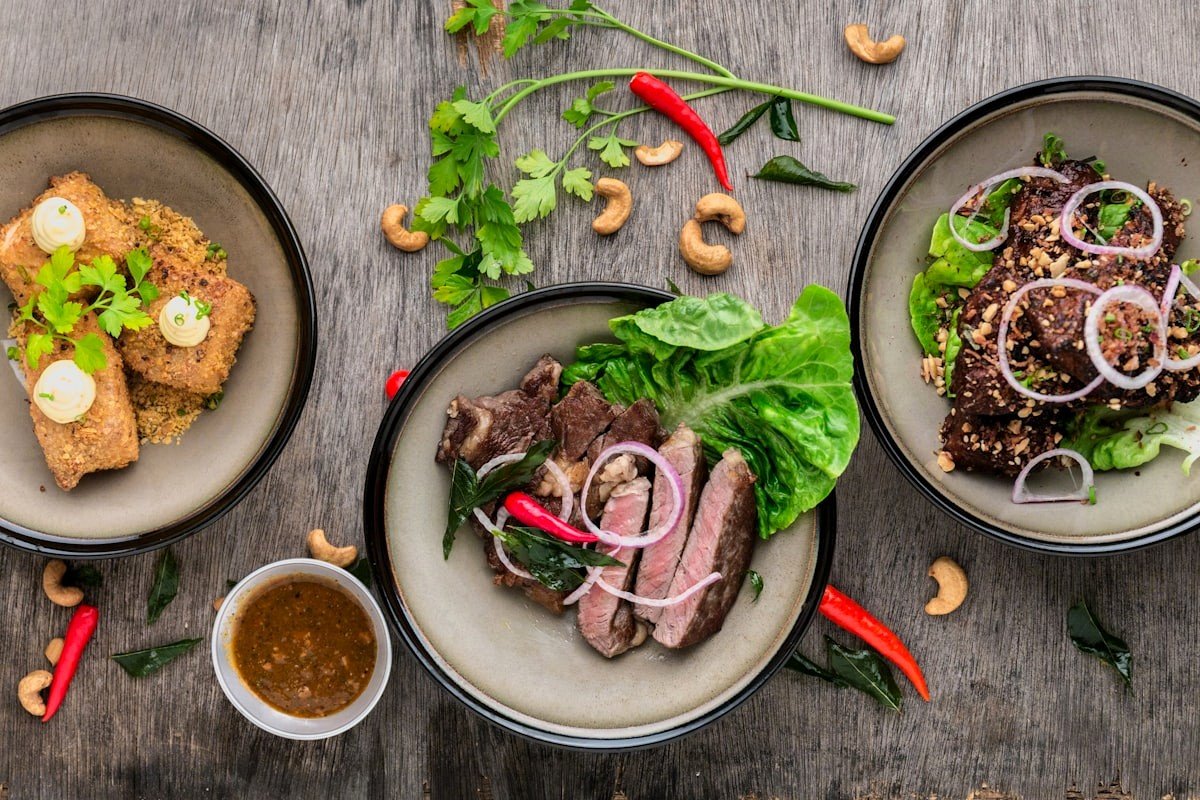
You have 3 hours between your last meeting and your dinner reservation. You could go back to the hotel, scroll through your phone, and order room service. Or you could eat your way through the city's best stalls, markets, and hidden restaurants with a local expert who teaches you the culture behind every bite.
Food tours are the ultimate business travel activity for three reasons:
1. Time efficiency: A 2.5-hour food tour covers what would take you 3 days of research and wandering to discover alone. The guide knows exactly which stalls are worth stopping at, which dishes to order, and how to navigate local etiquette.
2. Cultural immersion: Food is the most accessible entry point into any culture. In one tour, you learn about a city's history, immigration patterns, economic development, and social dynamics — all through what people eat and why.
3. Conversation currency: The stories you gather on a food tour make you more interesting in business settings. Knowing the history of Bangkok's Chinatown or the origin of Barcelona's tapas culture gives you instant rapport with local clients and colleagues.
Asia's Best Food Tours for Business Schedules
Asian food tours are exceptional because the street food culture is so developed. Every major city has a neighborhood where dozens of vendors serve the same dishes their families have perfected for generations.
Bangkok — Yaowarat Chinatown Night Food Tour
Yaowarat comes alive after 6 PM with neon signs, sizzling woks, and the smell of charcoal-grilled seafood. A guided tour visits 8-10 stalls, covering Michelin-rated street food that locals queue for. Tours run 2.5 hours and start at 6:00 PM.
Tokyo — Tsukiji Outer Market Morning Tour
The Tsukiji Outer Market is a food paradise with 400+ stalls. A morning tour (8:00-10:30 AM) covers the best sushi, tamago, and wagashi before your meetings begin. Guides know which stalls have the freshest catch and shortest lines.
Singapore — Hawker Center Food Tour
Singapore's hawker centers are UNESCO-recognized cultural heritage. A guided tour visits 3-4 centers, covering Hainanese chicken rice, laksa, char kway teow, and chili crab. Tours run 3 hours and start at 11:00 AM.
Hong Kong — Dim Sum Breakfast Tour
Hong Kong's dim sum culture is legendary. A morning tour (8:00-10:30 AM) visits 2-3 teahouses, teaching you how to order, share, and eat like a local. Perfect before a day of meetings in Central.
Europe's Best Food Tours for Business Schedules
European food tours tend to be more structured and upscale than Asian tours, focusing on markets, wine pairings, and historical context. They are ideal for entertaining clients or building relationships with European colleagues.
Barcelona — La Boqueria and Tapas Tour
A guided morning tour of La Boqueria market (8:00-10:30 AM) followed by a tapas crawl through the Gothic Quarter. Covers jamón ibérico, patatas bravas, and vermouth. The market tour is chef-guided, offering professional-level insights.
Paris — Marais Evening Food and Wine Tour
A 3-hour evening tour (6:00-9:00 PM) through the Marais, visiting artisan cheese shops, bakeries, wine bars, and a hidden courtyard restaurant. Includes 6 tastings and 3 wine pairings. Perfect for entertaining clients.
Rome — Trastevere Evening Food Tour
Trastevere is Rome's most authentic food neighborhood. A 3-hour evening tour covers supplì, cacio e pepe, artisan gelato, and aperitivo. The guide shares stories about each dish's origin and Roman family traditions.
Istanbul — Spice Market and Kadikoy Tour
A half-day tour crosses the Bosphorus to visit the Spice Market and Kadikoy district on the Asian side. Covers Turkish delight, baklava, simit, and meze. The ferry ride itself is a highlight.
How to Choose the Right Food Tour
Not all food tours are created equal. A bad tour is expensive, crowded, and touristy. A good tour is intimate, educational, and delicious. Here is how to tell the difference:
Group size: Under 8 people is ideal. Over 12 is a red flag. Small groups move faster, get better attention from vendors, and can enter smaller establishments.
Guide credentials: Look for guides who are chefs, food writers, or local culinary experts. A guide who "loves food" is not enough — you want someone who understands the history, economics, and technique behind each dish.
Tasting variety: A good tour covers 6-10 different dishes across multiple food categories (savory, sweet, drink, snack). Tours with fewer than 5 tastings are overpriced.
Dietary accommodations: The best operators accommodate vegetarian, vegan, gluten-free, and halal diets with advance notice. If the operator cannot handle dietary restrictions, they are not serious about food.
Reviews from business travelers: Look for reviews mentioning time efficiency, guide knowledge, and value. Reviews from leisure travelers may not reflect your needs as a time-pressed professional.
Food Tour Etiquette for Business Travelers
Food tours are social experiences, and your behavior affects both the group and your professional reputation. Follow these rules:
Punctuality: Arrive 5 minutes early. Food tours operate on tight schedules, and late arrivals disrupt the entire group's timing.
Engagement: Ask questions. The best guides love curious travelers. Questions about technique, history, and local culture deepen your experience and show respect for the guide's expertise.
Tipping: Tip your guide 15-20% if the tour was exceptional. In Asia, tipping is not expected but appreciated. In Europe, tipping 5-10 euros is standard.
Business cards: Bring a few business cards. Food tours are networking goldmines — you meet other professionals, expats, and entrepreneurs who share your interest in travel and culture.
Hydration: Drink water between tastings, especially in hot climates. Dehydration amplifies the effects of spicy food and alcohol.
Pace yourself: Do not fill up at the first stop. A good food tour paces tastings so you are comfortably full by the end, not stuffed after stop three.
Frequently Asked Questions
How long should a food tour be for a business traveler?
2.5 to 3 hours is the sweet spot. Shorter tours feel rushed. Longer tours conflict with meeting schedules. Look for evening tours (6:00-9:00 PM) or lunch tours (12:00-2:30 PM) that fit natural schedule gaps.
Are food tours worth the cost?
Yes. A $50 food tour covers 6-10 tastings that would cost $30-40 if purchased separately, plus the guide's expertise and navigation. The value is in curation — you avoid tourist traps and discover places you would never find alone.
What if I have dietary restrictions?
Most reputable food tour operators accommodate vegetarian, vegan, gluten-free, and halal diets with advance notice. Always inform the operator when booking. Avoid operators who cannot handle dietary needs — it indicates inflexibility and lack of professionalism.
Can I book a private food tour?
Yes, and it is often worth it for business travelers. Private tours offer flexible timing, personalized itineraries, and the ability to focus on specific interests (wine, seafood, vegetarian). Expect to pay 2-3x the group tour price.
Travel Essentials We Recommend
As an Amazon Associate, we earn from qualifying purchases at no extra cost to you.

Bangkok Chinatown Street Food Tour
Evening food tour through Bangkok's vibrant Chinatown. Sample dim sum, roast duck, and Thai-Chinese specialties. Local expert guide.

Tokyo Tsukiji Market Food Tour
Early morning food tour through Tsukiji Outer Market. Sample fresh sushi, tamagoyaki, and matcha. Small group experience.

Barcelona Tapas and Wine Evening Tour
Evening tapas crawl through Barcelona's Gothic Quarter. Visit 4 local bars with a food expert. Wine and cava included.
Ready to Book Your Stay?
Compare General airport hotel rates and book top-rated tours & transfers.
Or read our curated General airport hotel guide