Why eastbound hurts more (and what that tells you)
Your circadian clock — the master timer in the brain's suprachiasmatic nucleus — naturally runs slightly *longer* than 24 hours. Flying west asks it to stretch the day, which it does willingly. Flying east asks it to *compress* the day, which it fights. That is why New York to London wrecks people who shrug off the return.
The clock resets primarily through light exposure, secondarily through meal and activity timing. Every tactic below is just a delivery mechanism for one idea: show your brain morning light at the destination's morning, and hide light from it at the destination's night. The rule of thumb: your body adapts roughly one time zone per day unaided — the protocol's job is to compress that.
Three days out: pre-shift instead of pre-suffer
For a 5–7 zone eastbound hop (US East Coast to Europe, Europe to Asia), start sliding before you fly:
Sleep 45–60 minutes earlier each night for the three nights before departure. It is unglamorous and it works — you land already two zones adapted.
Front-load light in the morning, cut it at night. Bright outdoor light within 30 minutes of your (progressively earlier) waking; screens dimmed and overheads off after your (progressively earlier) evening.
Move caffeine earlier. Last coffee by noon in the days before flying; caffeine's half-life will sabotage the in-flight sleep that the whole protocol depends on.
Skip this phase and the rest still helps — but the travelers who present well at 2 PM are the ones who started Tuesday.
On the red-eye: the flight is a sleep appointment
Board with one job — sleep on destination time. If wheels-up is 10 PM and destination bedtime already passed, sleep begins at cruise, not after the meal service.
The execution checklist: eat *before* boarding or decline the late dinner service (the cabin meal is a 90-minute light-and-noise event squarely inside your sleep window). Set up your kit at the seat: contoured sleep mask that blocks the neighbor's screen, earplugs or noise-cancelling headphones against the 85-decibel drone, neck support so your head does not bounce you awake. Skip the alcohol — it buys drowsiness and sells back fragmented, non-restorative sleep at compound interest. Water each time you wake.
Even 3–4 hours of genuine sleep changes the arrival day completely. The travelers filming sunrise out the window at hour six are the ones canceling afternoon meetings.
The first 24 hours: light is medicine, naps are dosage
Landing day, eastbound, the sequence that works:
Morning arrival → get outside into daylight within an hour of clearing arrivals. Not the hotel gym, not the lounge — sky. Thirty minutes of outdoor light is the strongest reset signal that exists.
Caffeine: one dose on arrival morning is fine; nothing after 1 PM local.
The nap question: if you must, 20–25 minutes before 2 PM, alarm non-negotiable. A 90-minute afternoon sleep feels sublime and quietly detonates night two.
Evening: eat at local dinner time even without appetite (meal timing is a secondary clock signal), dim everything after sunset, and hold on until at least 9:30 PM local before allowing sleep. Night one is rough; night two, done right, is close to normal.
Where you sleep matters too — an airport hotel with real blackout curtains and quiet rooms is part of the protocol, not a luxury. Our [hub guides](/cities) flag the properties with genuinely dark, soundproofed rooms, because a protocol is only as good as the room it ends in.
Frequently Asked Questions
How long does eastbound jet lag last?
Unaided, the body adapts about one time zone per day — a 6-zone eastbound trip means most of a week. With pre-shifting, in-flight sleep and disciplined light exposure, most travelers compress that to 2–3 functional days.
Should I take melatonin for jet lag?
Low-dose melatonin taken at the destination bedtime can help shift the clock eastbound, and research supports short-term use. Dosing and timing matter and it interacts with some conditions and medications — ask a pharmacist or doctor before adding it to the protocol.
Is it better to stay up or nap after a red-eye?
Stay up if you can, with outdoor light and light activity. If you genuinely cannot function, cap the nap at 20–25 minutes before 2 PM local. Long afternoon sleep on arrival day is the single most common reason night two falls apart.
Travel Essentials We Recommend
As an Amazon Associate, we earn from qualifying purchases at no extra cost to you.

EPICKA Universal Travel Adapter (TA-105)
Covers 150+ countries with 4 USB-A + 1 USB-C PD ports. Essential for business travelers charging multiple devices at airport hotels and lounges.

Tile Mate Bluetooth Tracker (4-Pack)
Bluetooth trackers for luggage, keys, and bags. Works with both iOS and Android. Community find feature helps locate lost items worldwide.
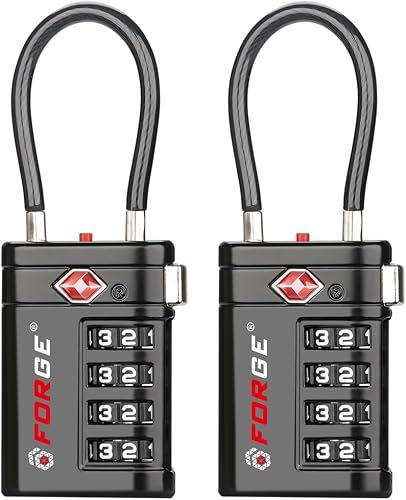
FORGE TSA Approved Luggage Locks (4-Pack)
TSA-approved combination locks for suitcases and bags. Secure your luggage while allowing TSA inspection without damage.
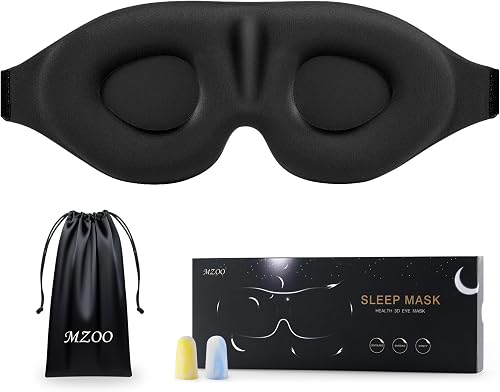
MZOO Sleep Eye Mask
3D contoured sleep mask with zero eye pressure. Complete light blocking for quality sleep on planes, in airport hotels, or during daytime rest.

Loop Quiet Ear Plugs for Noise Reduction
Reusable earplugs that reduce noise by 27dB. Perfect for sleeping on planes, focusing in noisy airport lounges, or blocking hotel hallway noise.

Trtl Travel Pillow — Scientifically Proven Neck Support
Compact, scarf-like design with internal support system. Perfect for business travelers who want neck support without bulky U-shaped pillows.
Ready to Book Your Stay?
Find the best airport hotels in Wellness with our curated selection.
View Wellness Hotels