Why Sleeping on a Plane Matters for Business Performance
A 2024 study by the Sleep Research Society found that business travelers who sleep less than 5 hours on overnight flights score 34% lower on cognitive performance tests the next day. For professionals who need to walk straight from the airport into a boardroom, that is the difference between closing a deal and fumbling a presentation.
Sleeping on a plane is not just about comfort — it is about protecting your professional edge. The good news? With the right strategy, you can consistently get 5-7 hours of quality sleep even in economy class. The key is combining seat selection, timing, environment control, and the right gear into a system that works every time.
Choose the Right Seat: The Foundation of In-Flight Sleep
Window seats are the gold standard for sleeping on a plane. You get a solid surface to lean against, and nobody will climb over you during the flight. Aim for a seat slightly forward of the wing — this is the most stable part of the aircraft with the least turbulence.
The best seats for sleep by cabin class:
- Economy: Window seat, exit row (if you do not mind no recline), or the last row before the galley for extra space.
- Premium Economy: Bulkhead window seats for maximum legroom and no seat in front.
- Business/First: Lie-flat seats — book the side of the aircraft you naturally sleep on (left or right) to avoid rolling toward the aisle.
Avoid seats near the lavatories or galley. The constant noise and light from the curtains will interrupt your sleep cycle every time someone walks past.
Time Your Sleep with Your Destination
The most effective technique for sleeping on a plane is to align your sleep with your destination time zone. If you are flying eastbound and arriving in the morning, try to sleep during the first half of the flight. If you are flying westbound and arriving in the evening, sleep during the second half.
The 30-minute rule: Begin your sleep routine 30 minutes before you want to fall asleep. This means putting on your eye mask, inserting earplugs, and reclining your seat before the cabin lights dim. Your brain needs time to transition, and waiting until you feel tired usually means you will miss the window.
Avoid caffeine for at least 6 hours before your intended sleep time. Even a mid-afternoon coffee can reduce your sleep quality by 40% according to the Journal of Clinical Sleep Medicine.
Build the Perfect In-Flight Sleep Kit
Your carry-on should include a dedicated sleep pouch that you never open except on the plane. This consistency trains your brain to associate these items with sleep.
Essential sleep kit items:
- Memory foam neck pillow: Look for one with a chin support that prevents your head from falling forward.
- Contoured sleep mask: A mask that blocks 100% of light without pressing on your eyes. The 3D contoured style is ideal for side sleepers.
- Noise-canceling earplugs or headphones: Foam earplugs combined with over-ear noise-canceling headphones create a double barrier against cabin noise.
- Compression socks: Not just for circulation — they also help your body recognize it is time to rest by applying gentle pressure.
- Light blanket or large scarf: Airline blankets are often thin and unavailable on demand. A merino wool wrap doubles as a pillow and blanket.
Pack these items in a small pouch at the top of your carry-on so you can access them without rummaging under the seat in front of you.
What to Eat and Drink Before Sleeping on a Plane
Your pre-flight meal choices directly impact your ability to sleep. Avoid heavy, spicy, or fatty foods that take longer to digest and can cause heartburn when reclining. Skip alcohol entirely — while a glass of wine might make you feel drowsy, it fragments your sleep architecture and causes dehydration that wakes you up 2-3 hours later.
The best pre-sleep meal: A light carbohydrate-based snack like oatmeal, a banana, or whole-grain toast. These foods help your brain produce melatonin naturally.
Hydration strategy: Drink water steadily throughout the flight but taper off 90 minutes before sleep to avoid bathroom trips. Aim for 250ml per hour of flight time. Add an electrolyte tablet to your water bottle to combat the dehydrating effects of cabin air, which is typically 10-20% humidity.
Sleep Positions That Work in Economy Class
The lean-and-support method is the most reliable sleeping position in economy. Recline your seat slightly (never fully — it is inconsiderate), lean against the window with a pillow, and place a small pillow or rolled jacket behind your lower back for lumbar support.
For middle or aisle seats: Cross your arms on the tray table (if you have no laptop), place a pillow on top, and lean forward. It is not elegant, but it works.
The footwell hack: Remove your shoes (bring a clean pair of socks), place a small bag or rolled-up jacket under your feet, and elevate them slightly. This reduces pressure on your lower back and improves circulation.
If you are in a premium cabin, lie completely flat. The fetal position (on your side, knees slightly bent) is the most natural and restful sleeping position for most adults.
Frequently Asked Questions
What is the best way to sleep on a plane in economy class?
The best way is to choose a window seat, lean against the cabin wall with a memory foam neck pillow, use a contoured eye mask and noise-canceling headphones, and avoid caffeine for 6 hours before sleep. Eat a light carbohydrate snack 2 hours before boarding.
Should I take melatonin to sleep on a plane?
Melatonin can be effective for crossing time zones. Take 1-3mg 30 minutes before your intended sleep time. Avoid higher doses as they can cause grogginess. Do not combine melatonin with alcohol. Consult your doctor if you take prescription medications.
Why do I wake up every time the plane hits turbulence?
Your vestibular system (inner ear balance) detects movement even while asleep, triggering a startle response. Seats forward of the wing experience the least turbulence. Using noise-canceling headphones also helps mask the auditory cues that signal turbulence.
How much sleep should I aim for on a red-eye flight?
Aim for 5-7 hours of sleep on an overnight flight. Even 4 hours of solid sleep is better than 6 hours of fragmented sleep. Quality matters more than quantity. Use the full sleep kit and set your environment before takeoff.
Travel Essentials We Recommend
As an Amazon Associate, we earn from qualifying purchases at no extra cost to you.
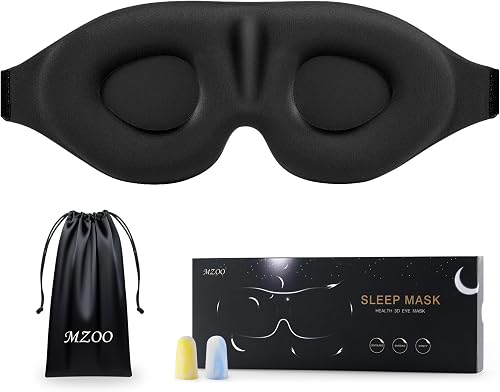
MZOO Sleep Eye Mask
3D contoured sleep mask with zero eye pressure. Complete light blocking for quality sleep on planes, in airport hotels, or during daytime rest.

Trtl Travel Pillow — Scientifically Proven Neck Support
Compact, scarf-like design with internal support system. Perfect for business travelers who want neck support without bulky U-shaped pillows.

Sony WH-1000XM5 Premium Noise Canceling Headphones
Industry-leading noise cancellation with 30-hour battery. Perfect for long-haul flights, noisy terminals, and focused work at airport hotels.
Ready to Book Your Stay?
Compare General airport hotel rates and book top-rated tours & transfers.
Or read our curated General airport hotel guide